Sorry. We did not find anything.

  • ON ICE - DB SCHENKER FINLAND SENDS NEXT-GENERATION ECANTER TO FROSTY LAPLAND

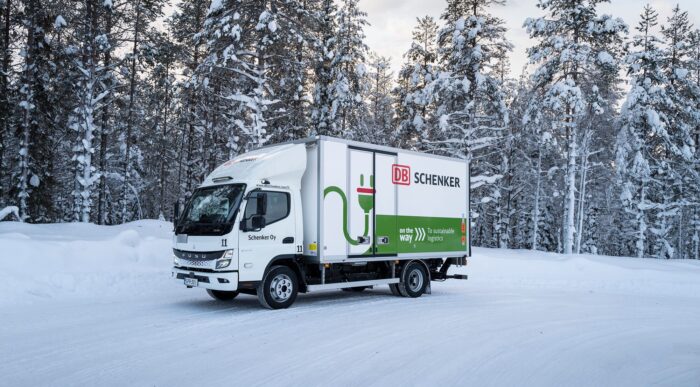
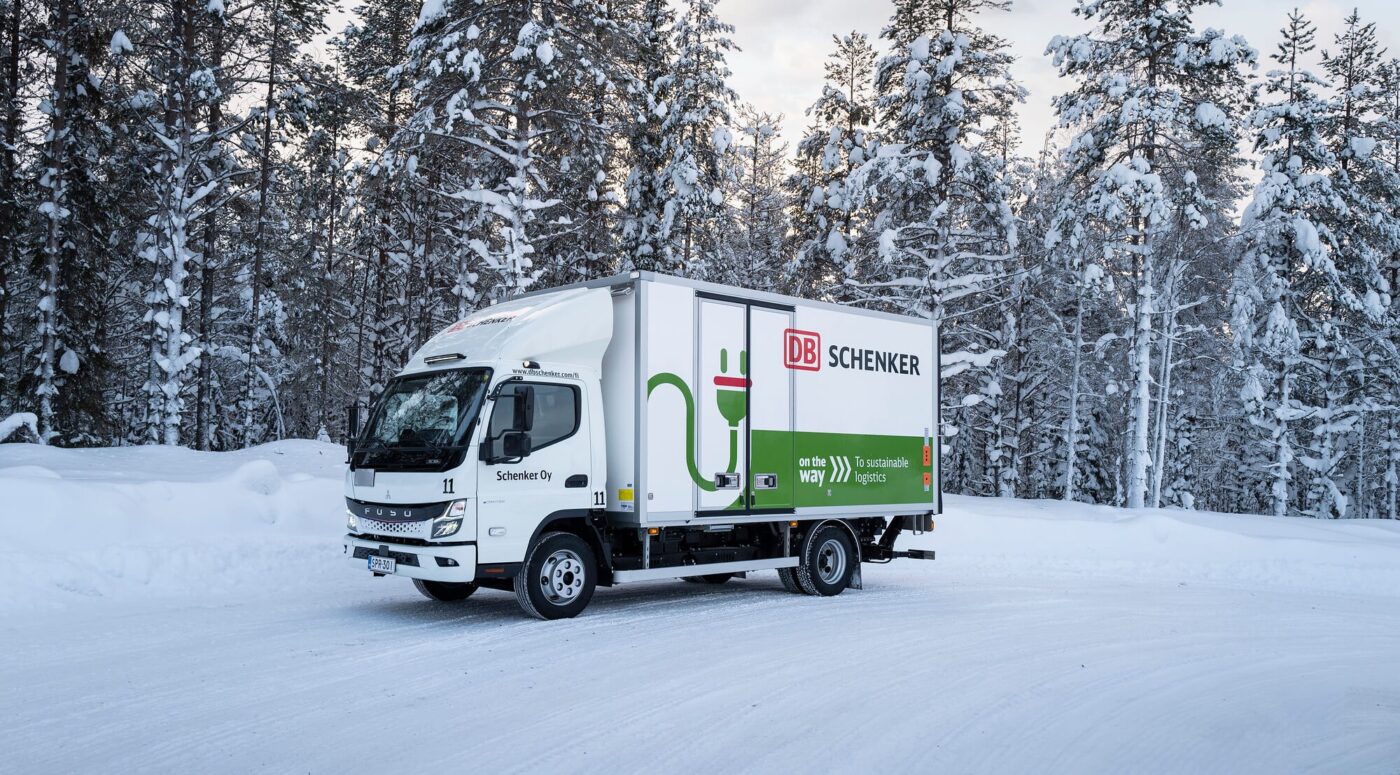
At freezing point and well below – in icy temperatures, a latest-generation FUSO eCanter is now proving its reliability under harsh conditions. Close to the Arctic Circle, Schenker AG uses the purely battery-powered 7.5-tonne truck for deliveries on the last mile.

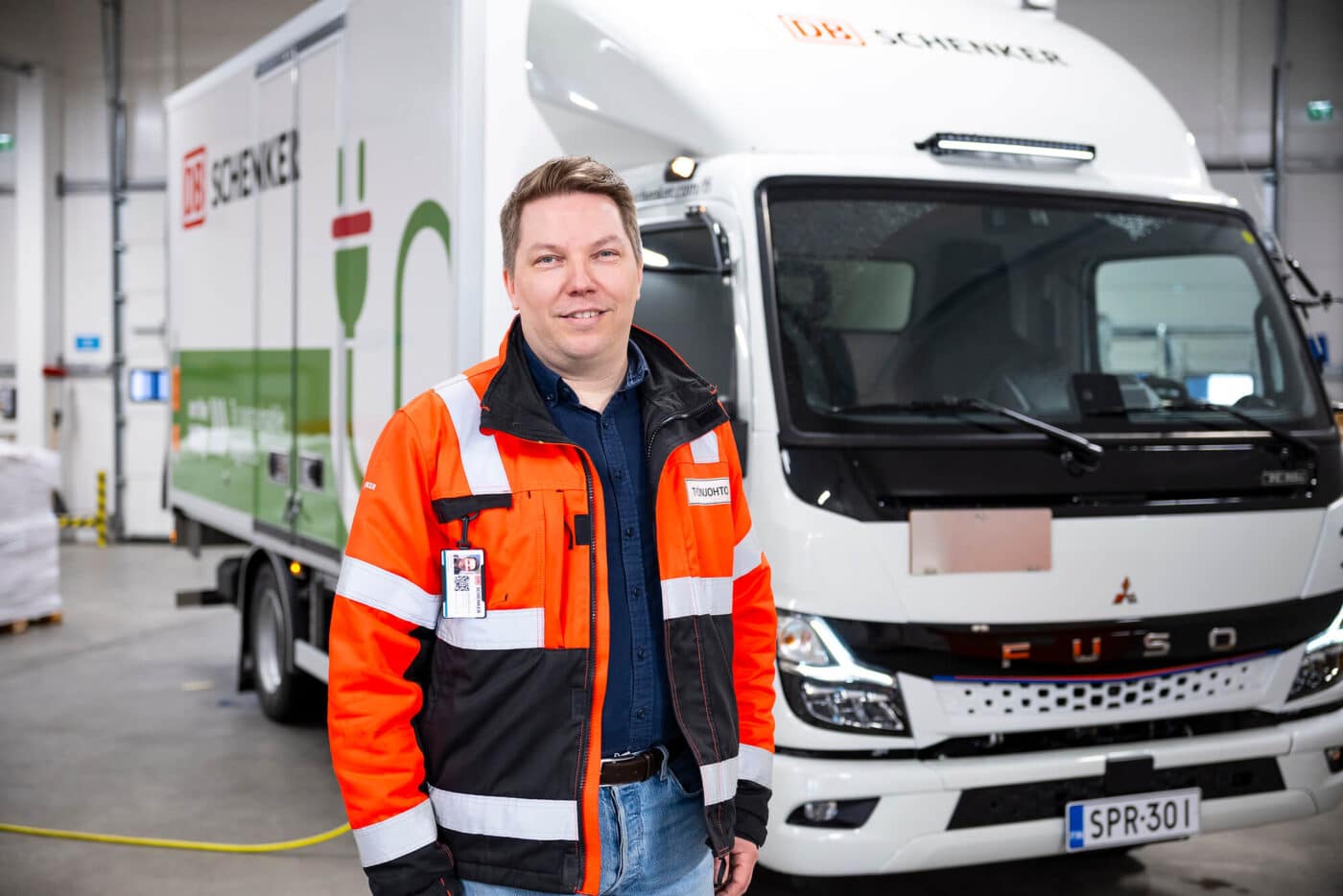
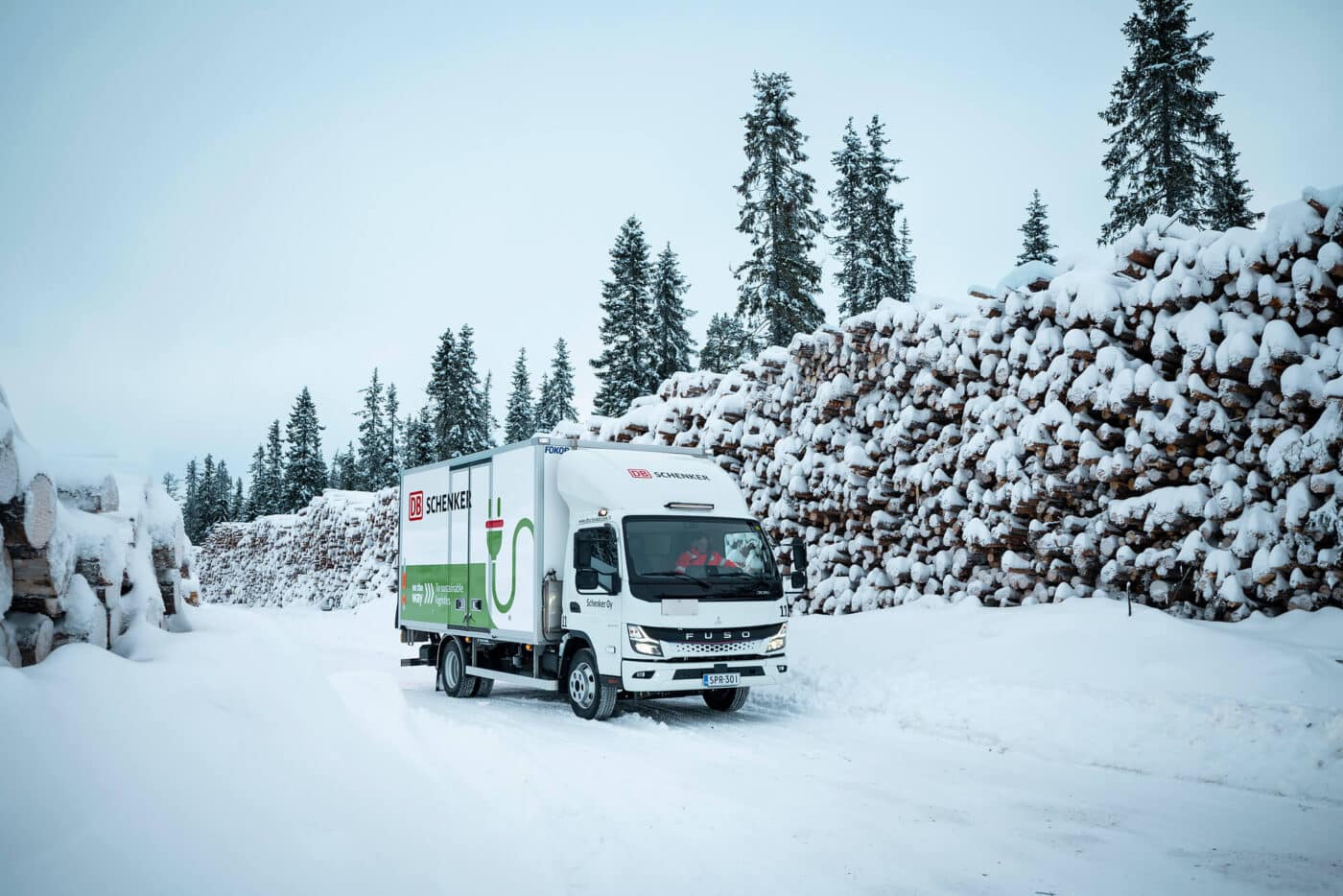
The snow piles up man-high to the left and right of the icy roads and it’s chilling cold when Raino Mourujärvi, Head of Terminal Area at DB Schenker Northern Finland, arrives at the DB Schenker site in Kuusamo. The passionate logistics specialist is visibly delighted, as he is on his way today to visit his latest “project”. In the far northeast of Finland, where the first snow often falls in October and then stays until the end of April. where temperatures of up to minus 30 degrees Celsius were already visible on the thermometer this winter. This is precisely where DB Schenker has been deploying a FUSO Next Generation eCanter 7.49 T for city deliveries since mid-January this year. 

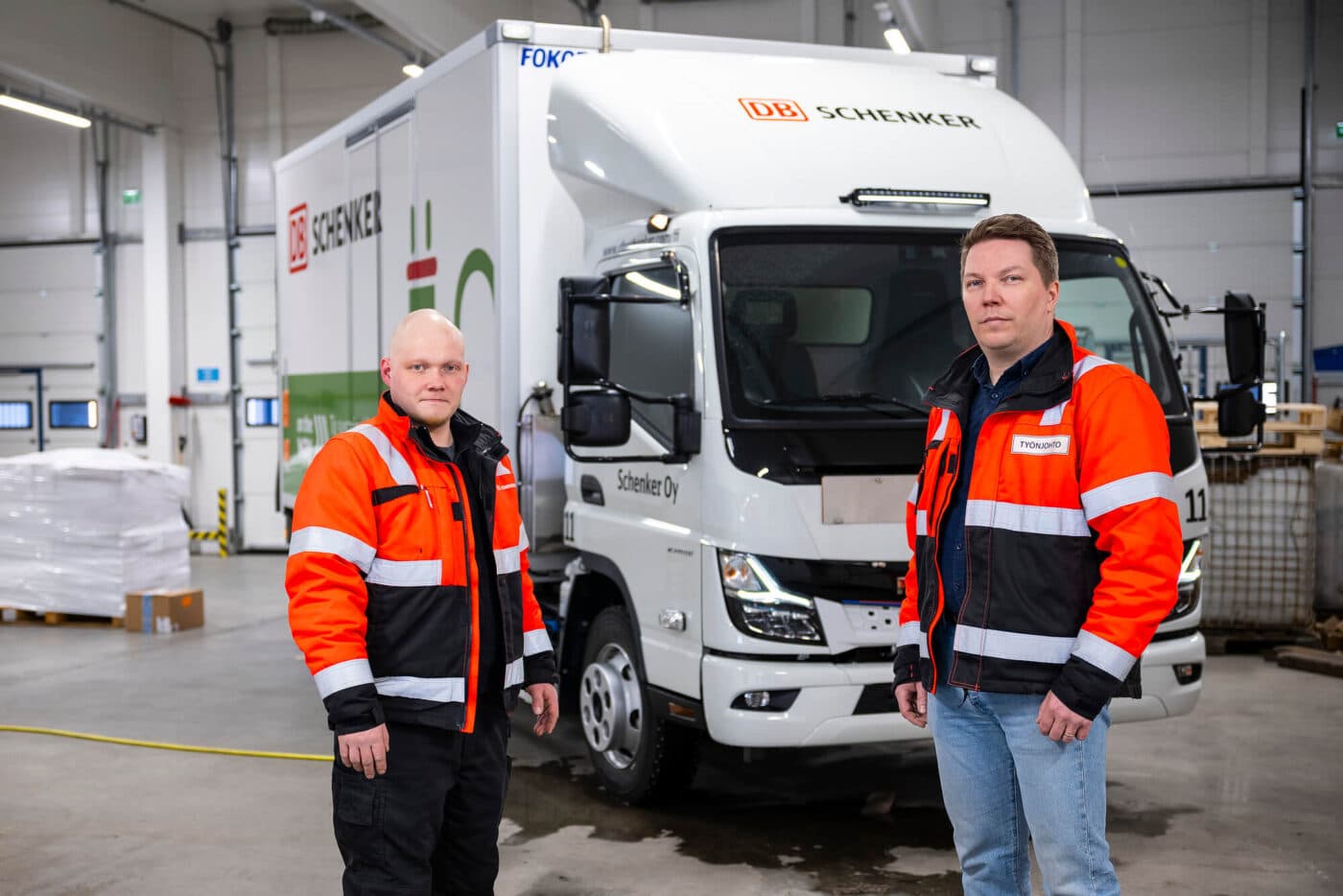
Are you sure? “Yes, I absolutely wanted us to try this here in Kuusamo and refute this prejudice that you can’t start with an electric truck in such weather,” confirms Raino Mourujärvi, who originally came from the region himself and is quite familiar with the slightly tougher conditions. The 45-year-old works at DB Schenker in Oulu, just under three hours southwest of the city, and is responsible for the whole of Lapland from there. Once a month, he personally visits the offices in Kuusamo, Kemi and Rovaniemi. His area of responsibility includes the care of the properties, vehicles and personnel at the locations. He is also a great enthusiast of electric mobility. His company car also drives purely electrically and integrating sustainable drive systems into the fleet as best as possible is his personal concern: “When I learned that new eCanter vehicles were soon available to the DB Schenker fleet in Finland, I immediately took action!”

With this in mind, he runs into his employer’s open doors. Schenker AG sees itself as a pioneer in sustainable logistics and invests extensively in the electrification of its fleet to reduce CO2 emissions. In Finland, where, according to the company, smaller general cargo accounts for a significant proportion of transport over the last mile, battery-electric vehicles are particularly suitable.

The FUSO eCanter is just right for the last mile, even in Finnish winter

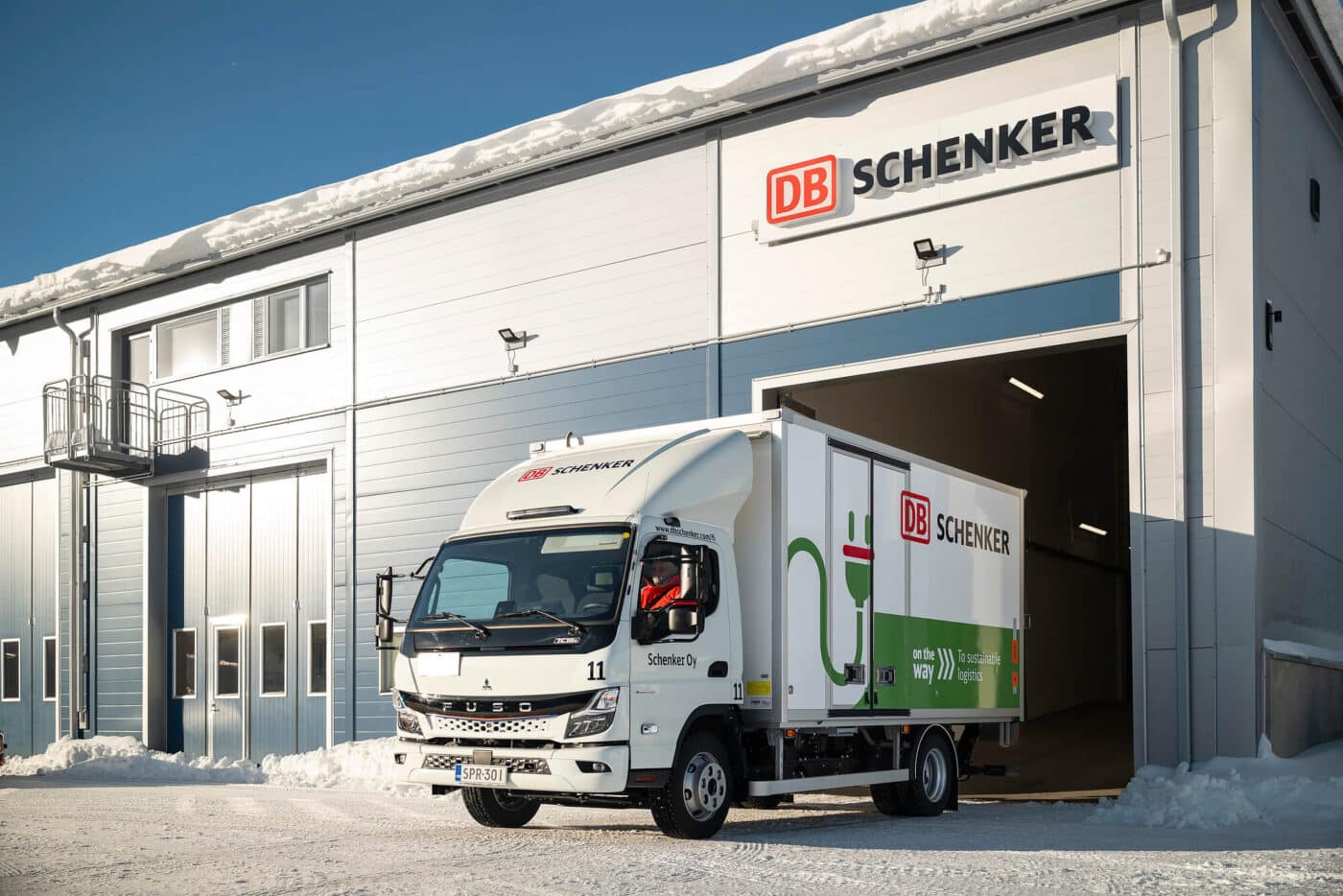
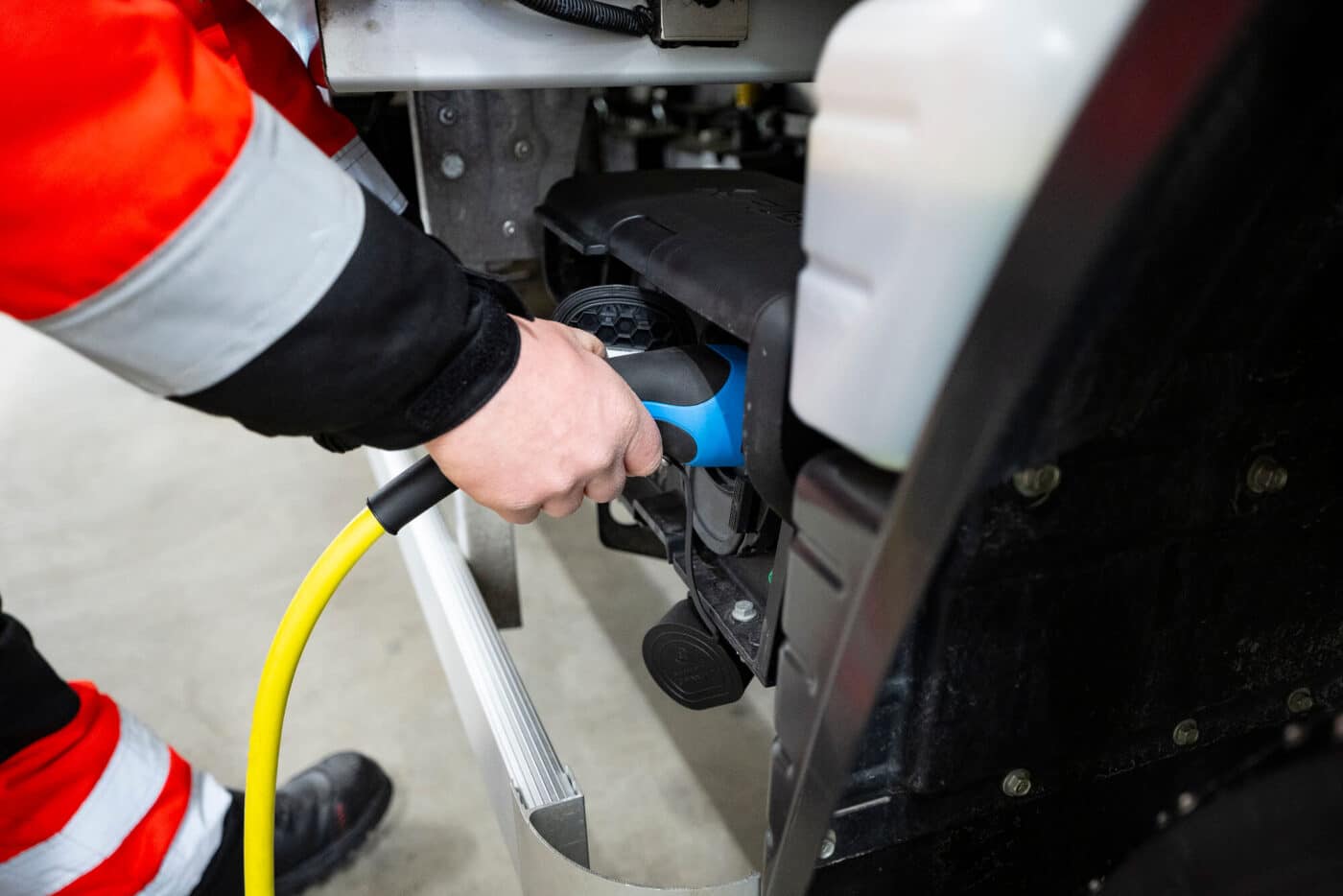
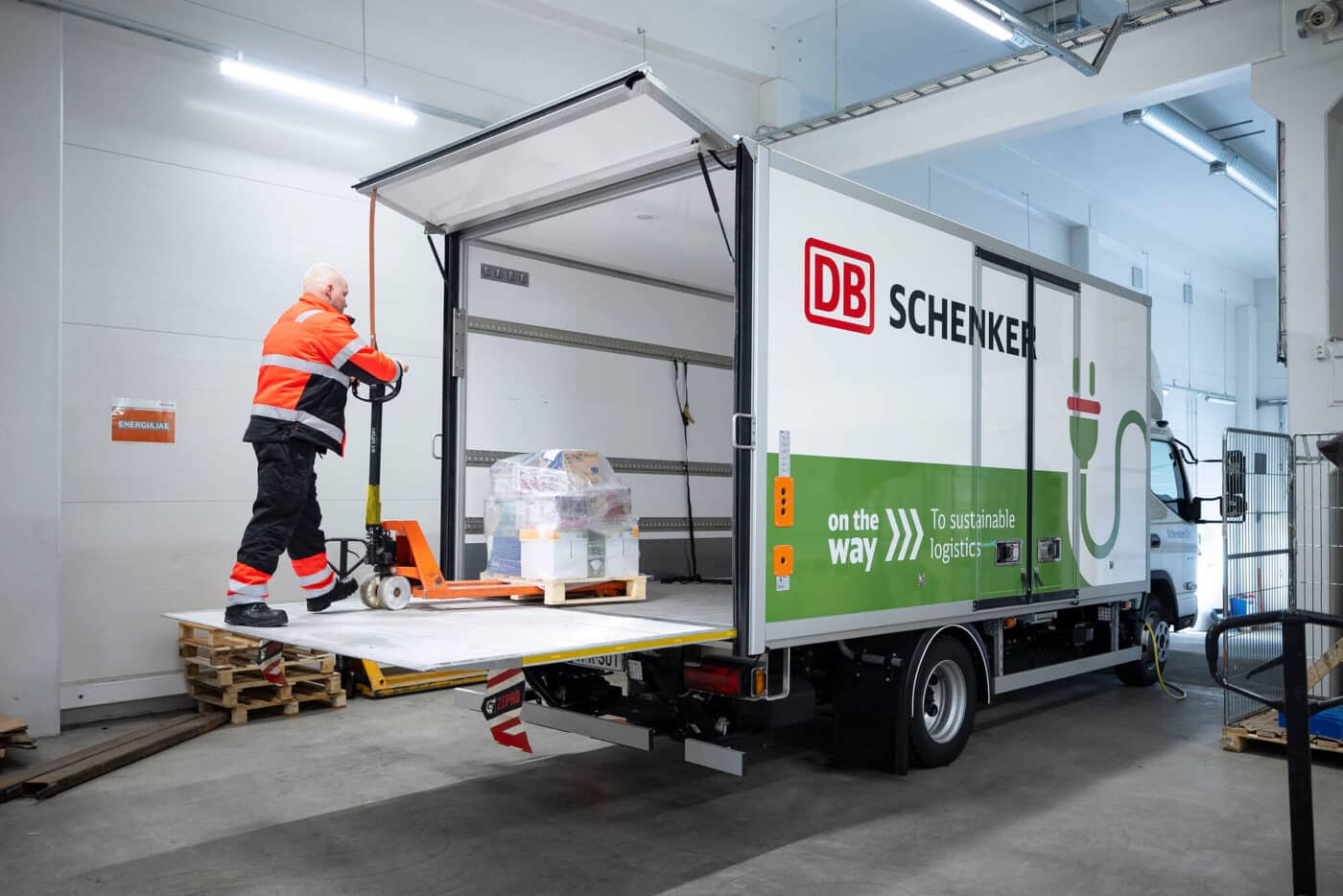
“Hi!”, his employee Sami Määttä greets him wavingly. He is not only heading the terminal, but also driving the new eCanter. Together, the two look at the battery-powered spectacle. The FUSO 7C18e parks directly in the hall and reliably charges its two batteries overnight from the specially installed wallbox with a charging capacity of 22 kilowatts per hour (M package) for AC direct current charging. “On the way – To sustainable logistics” stands large next to the DB Schenker logo on both sides of the box body. “Yes, the inscription is already correct. I think on the way to sustainable logistics, the Next Generation eCanter is actually just right for our purpose here. Clean, but also light, compact, manoeuvrable and pleasant to drive. For all these reasons, I wanted to use it,” says Raino Mourujärvi.

Sami Määttä, who has now driven around 1,200 kilometres with the eCanter since its arrival four weeks ago, commits himself to: “Basically, it works wonderfully. It always starts, no matter how cold it is. We also know this differently from our diesels.” For him, the only thing that could be improved is the range. “I’m doing well. But at these temperatures, the batteries suffer a little and more is always better, isn’t it?” Has he ever broken down with empty batteries? “No, not really. Not at all. But I now have to plan my routes and the routes of the other drivers differently from the outset, and that is a challenge.”

Yes, the inscription is already correct. I think on the way to sustainable logistics, the Next Generation eCanter is actually just right for our purpose here. Clean, but also light, compact, manoeuvrable and pleasant to drive. For all these reasons, I wanted to use it.
Raino Mourujärvi, Head of Terminal Area at DB Schenker Nordfinnland

With electrical preconditioning, the batteries of the eCanter are always ready to start

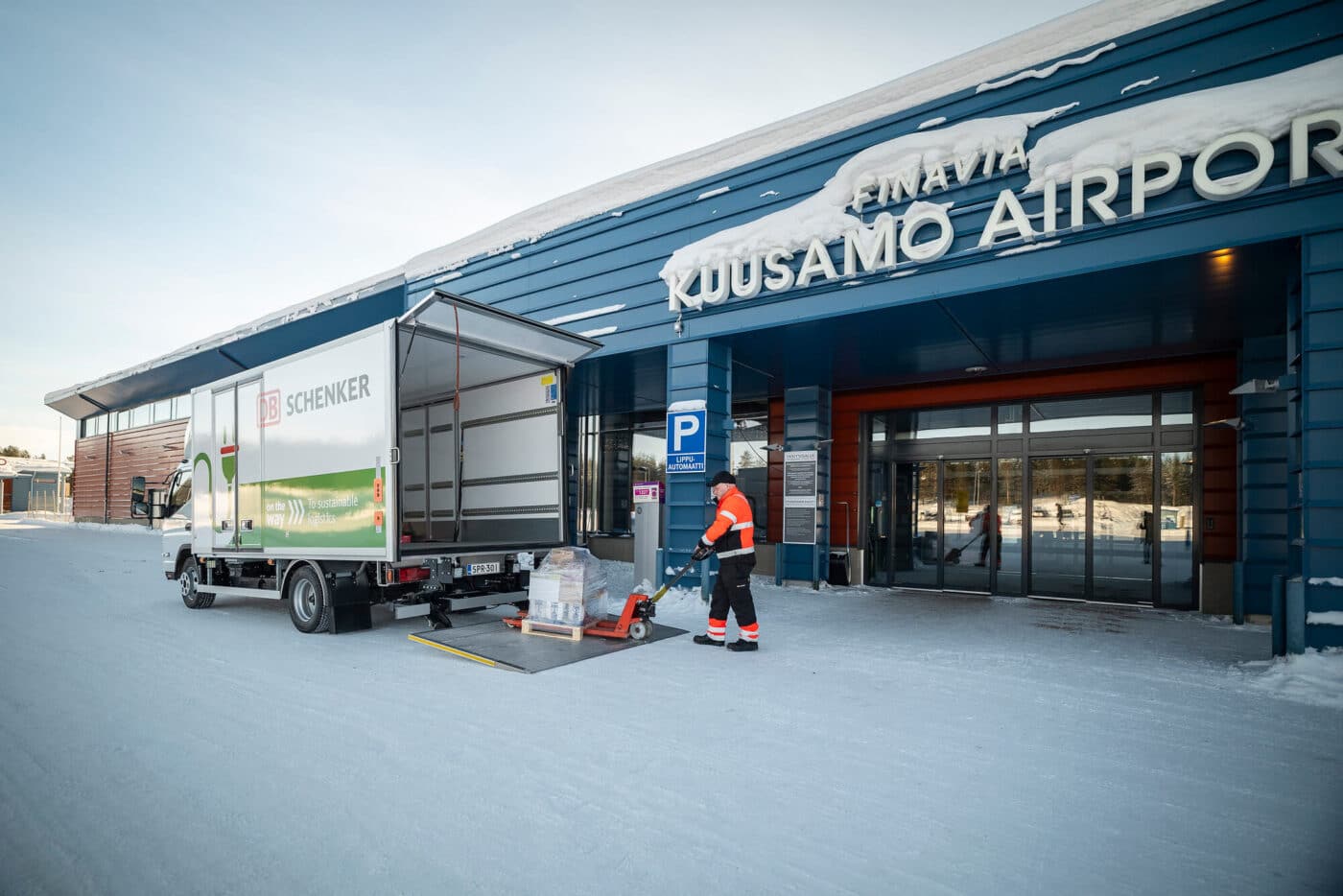
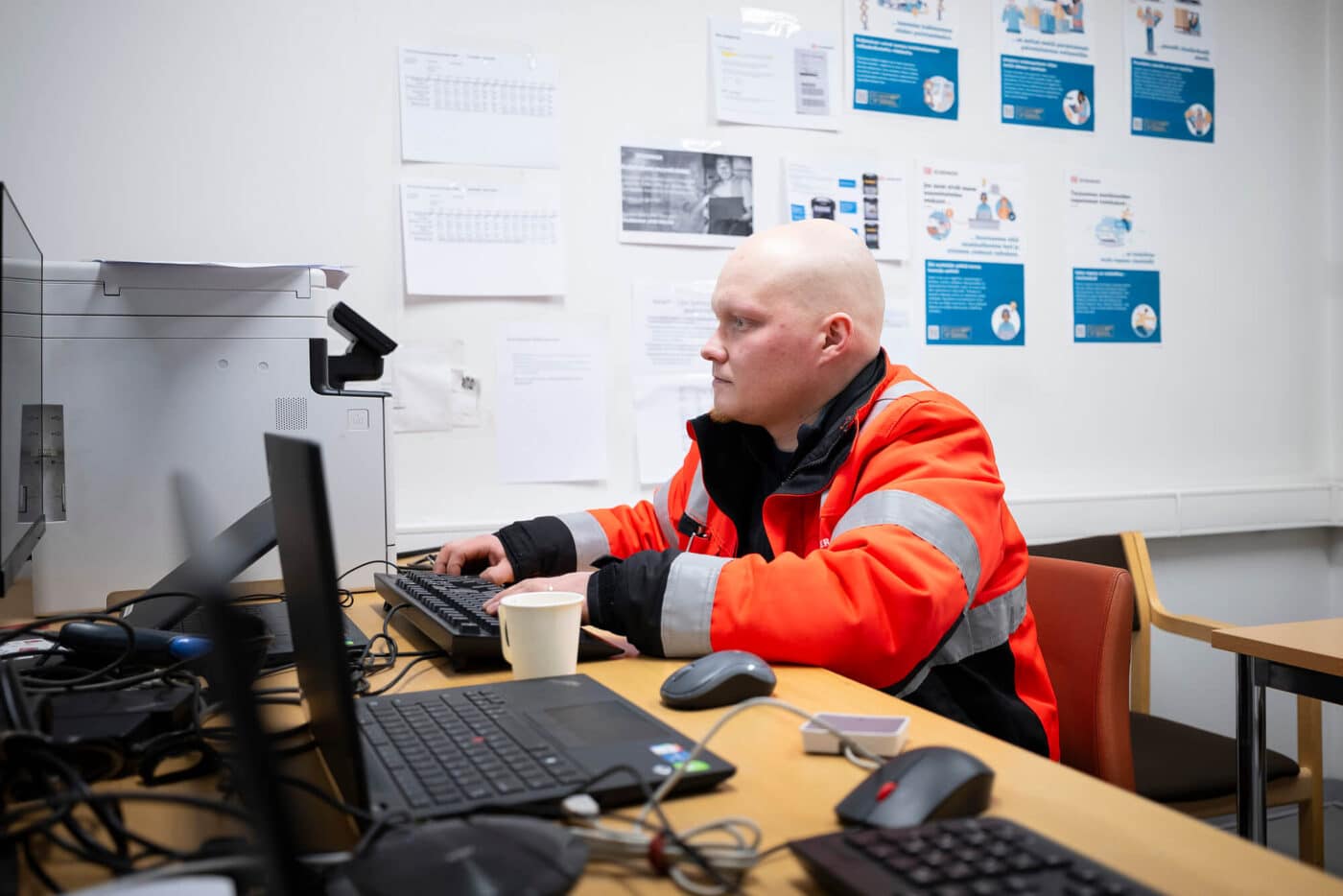
Routes is a good keyword. The 32-year-old terminal manager has been on site since 6.30 a.m., has checked the charging process of the e-truck and has defined today’s trips for all three vehicles at the site. From Monday to Friday, a semitrailer combination commutes between Kuusamo and Oulu every night, brings goods for delivery and takes the cargo collected during the day back on the next lap. The deliveries are a colourful mix that looks different every day. Today, the following are among them: a load of books for the local library, a range of rims for the local tyre dealer and various small packages for the kiosk in the city centre, which also serves as a banking, postal and parcel shop. “We offer our service in Kuusamo and the surrounding area to businesses and private individuals alike,” explains Sami Määttä as he unplugs the charging box on the passenger side of the eCanter shortly after 8:30 a.m. 

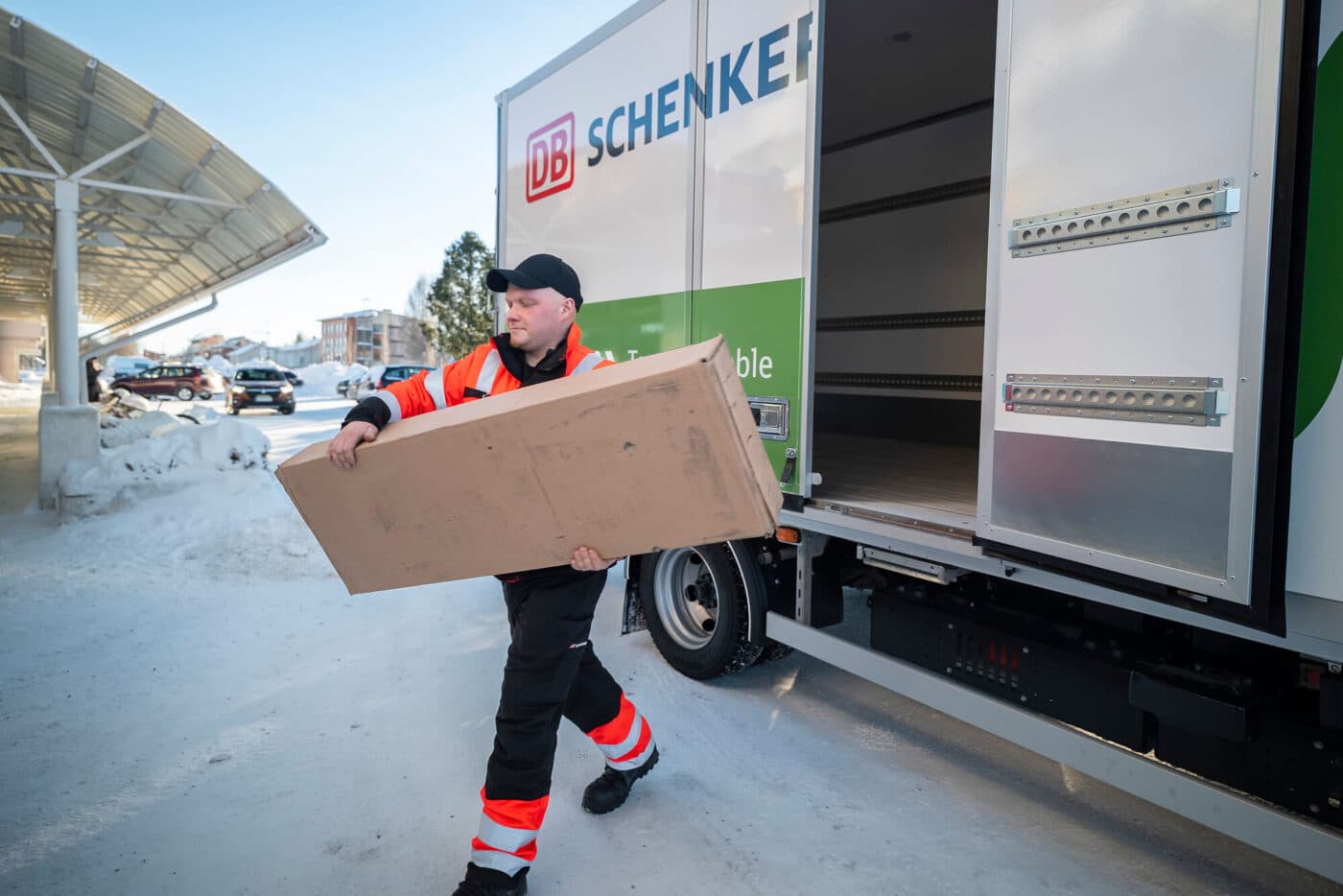
Although it has been fully charged for a long time, the electric truck is allowed to take the automatic electrical preconditioning with it until it sets off. It brings the two large batteries to the ideal operating temperature and helps to maintain capacity in the long term. The exit from the shimmering white courtyard in the sun is a little noisier than a quiet electric vehicle is used to. This is because the eCanter carries winter wheels with spikes as a general requirement at this time of year and therefore creaks nicely over the rolled-on layer of snow with its frozen ice surface underneath. The truck driver is obviously able to take advantage of the compulsory dynamic start of the electric motor with 180 hp, and with the pointed small grip boosters on the tyres, it can do even more.

Successful test phase with the eCanter 1.1 paved the way

“With Sami, I have an experienced and very reliable driver on the vehicle,” says Raino Mourujärvi and adds, “he comes directly from Kuusamo, has spent his entire life here and knows what matters.” The project initiator also hopes to get good and useful impressions of the practicality of the eCanter in Sami’s hands. As far as the vehicle as such is concerned and how to organise the processes when integrating an electric vehicle.

While the deployment of the Next Generation eCanter in Kuusamo is a premiere, the FUSO eCanter is not new within Schenker AG. The globally active group was one of the fleet customers who already integrated the FUSO eCanter 1.1 into their fleet in large numbers from 2017. This multi-year test phase brought valuable insights to both DB Schenker and FUSO. On the one hand, the logistics company had the opportunity to gain initial experience with the use and operation of fully electric light trucks and, on the other hand, FUSO was able to receive authentic customer feedback for its further product development. It turned out that the Next Generation eCanter should offer several range options in the future in combination with a greater variety of variants – wishes that it more than fulfils with three different battery pack sizes to choose from, four weight classes, six wheelbases and two cab types. 

Nevertheless, the eCanters from the first series production already made a good impression at Schenker AG: After starting with five of the vehicles in Germany and France, the company increased the number of units a little later to 42 and then increased again, so that a total of 50 of the eCanter 1.1 were finally on the road across Europe. One of them has been in Finland since 2020, but not in Raino Mourujärvi’s area of responsibility. With its new addition in Lapland, 52 FUSO eCanter vehicles are currently running for DB Schenker in ten different countries.

I think that on the path to sustainable logistics, the Next Generation eCanter is actually perfectly suited to our purpose here. It's clean, but also light, compact, agile, and pleasant to drive. For all these reasons, I wanted to use it.
Raino Mourujärvi, Head of Terminal Area at DB Schenker Nordfinnland

Relaxed one-pedal driving, good payload and easy electric refuelling 

The latest “test driver” describes his first impressions directly on the road: “I have noticed that the recuperation stages work really well. I only use the brake pedal to come to a final standstill.” This anticipatory and energy-saving, so-called one-pedal driving only takes place by lowering and raising the accelerator pedal. Deceleration takes place via the selectable recuperation levels in four different levels. With recuperation, the eCanter uses the recovery of braking energy to extend the range. An important plus for Sami Määttä’s tours, which take place within a radius of 50 to 70 kilometres. 

In his role as terminal manager, he is also satisfied with the payload of the 7.49-tonne truck. Despite the batteries, it is 3200 kg. With a wheelbase of 3400 mm, the eCanter can also offer up to 15 pallet spaces in this configuration. “There’s plenty of room in it. This means that we can really support the other two trucks,” explains Sami Määttä. The only disadvantage: The heater on the front wall of the box body currently runs via an additional small biodiesel tank. This special local requirement is due to the icy temperatures and is necessary to transport sensitive medical products that must not freeze. Unfortunately, this could not yet be solved electrically, as it would draw too much energy from the traction batteries. 

“However, my comfort in the cabin has been ensured, I always have a pleasant warmth,” laughs Sami Määttä. The optional Performance package is responsible for this and for increasing the range. It consists of seat heating, steering wheel heating and heated windscreen. This means that the normal cab heating can remain completely switched off depending on the weather or, as in this case, only run at economical 18 degrees. “This is much less than we had to adjust in our diesel truck to get it warm,” confirms the Finn. “What I also really like is that charging is so easy, it takes place directly in our hall and I can do other things in the meantime. That’s much more comfortable than standing outside at a petrol station in the cold.”


Everyone is excited to see how the eCanter will develop during the summer

Since the all-electric newcomer is only in use for such a short time, the “project team” has not yet been able to personally gather experience in other weather conditions, but is already curious about how the eCanter will perform in the summer. “I’m excited to see how the range develops when the temperatures rise. Then the 140 kilometres promised by the M-size battery pack will certainly be there, and there will be new possibilities and impressions for us,” Raino Mourujärvi believes. 

As a big electric fan, can he imagine switching completely to battery-electric drives in his area? “I don’t think that’s possible at the moment. The infrastructure is still lacking, especially on long-distance journeys. However, we are already using an electric truck as a semitrailer combination that commutes between the terminals in Helsinki and Tampere on the. However, there are their own high-performance fast charging points there,” says the logistics specialist. “But the infrastructure is growing steadily and battery technology is making big leaps. I look forward to the matter in a positive way overall.” In fact, so positive that another identical Next Generation eCanter has already been on the road at the last mile at the Oulu site for two weeks.