Sorry. We did not find anything.

  • PARTIAL LOAD - BAKERY ZIPPER AND GATENBRÖCKER DELIVER GOODS WITH NINE eCANTERS

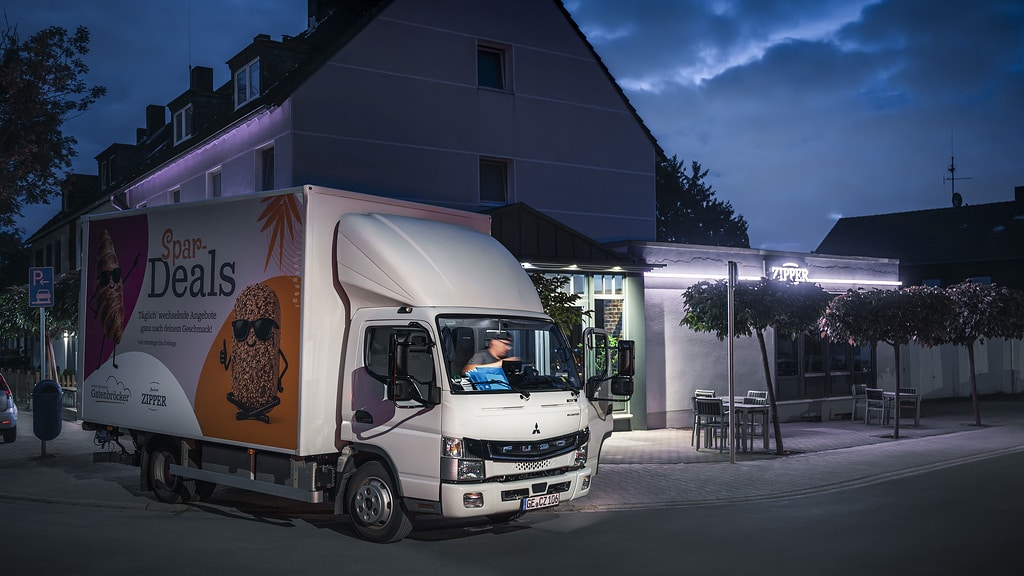
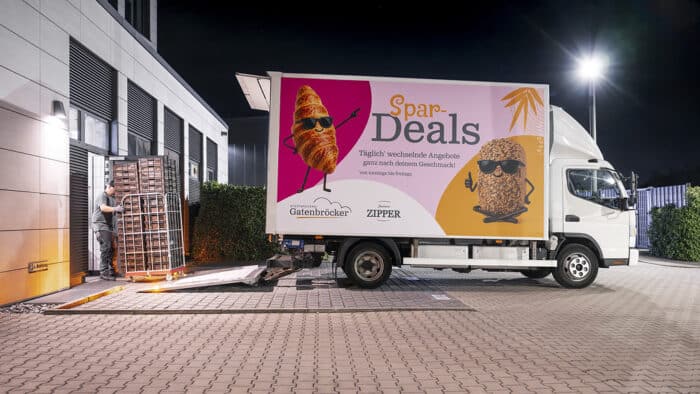
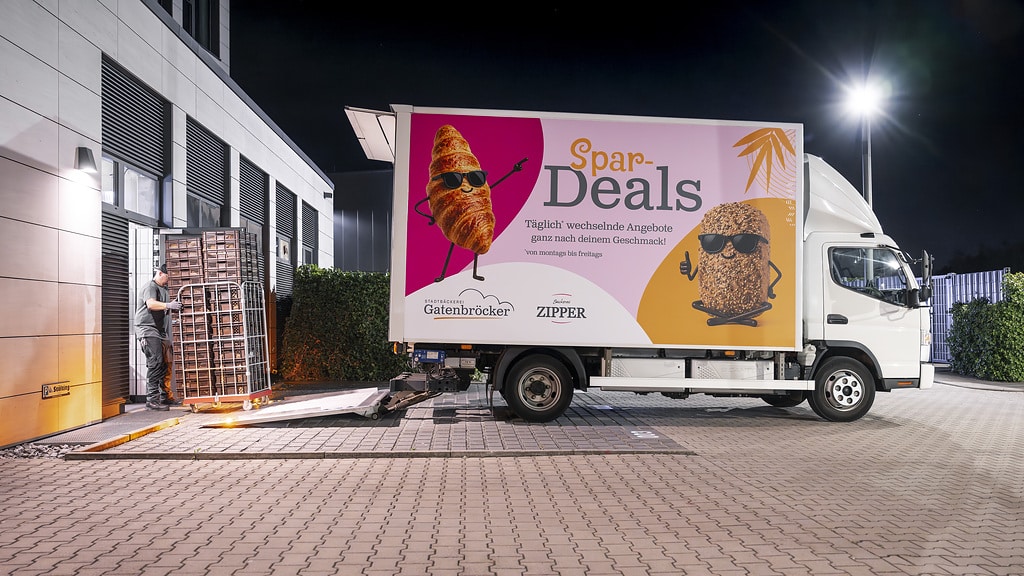
In Gelsenkirchen and the surrounding area, the fresh baked goods of the Zipper and Gatenbröcker bakery roll locally emission-free and quietly through the night – with nine battery-electric FUSO eCanters from two generations.

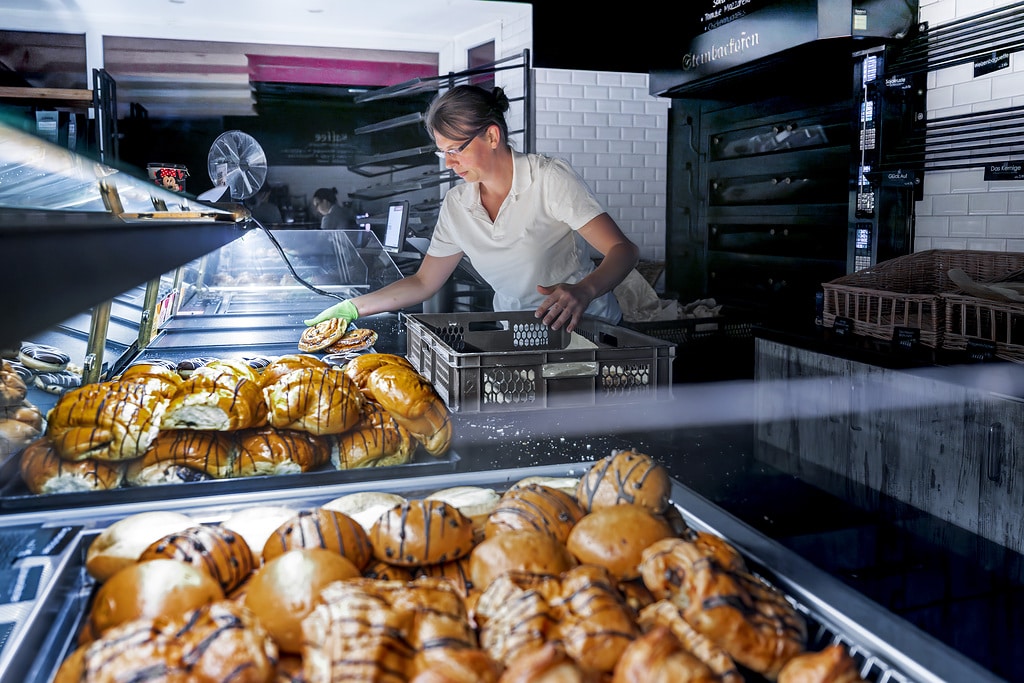
The bakery Zipper and Gatenbröcker produces around 50,000 rolls a day for its 59 branches in Gelsenkirchen and twelve other cities in the Ruhr region. From Monday to Thursday. Over the weekend, there are even more than 200,000 units in total. Plus about 3,000 breads a day. Apart from hundreds of other items such as pastries, cakes, chips and snacks.

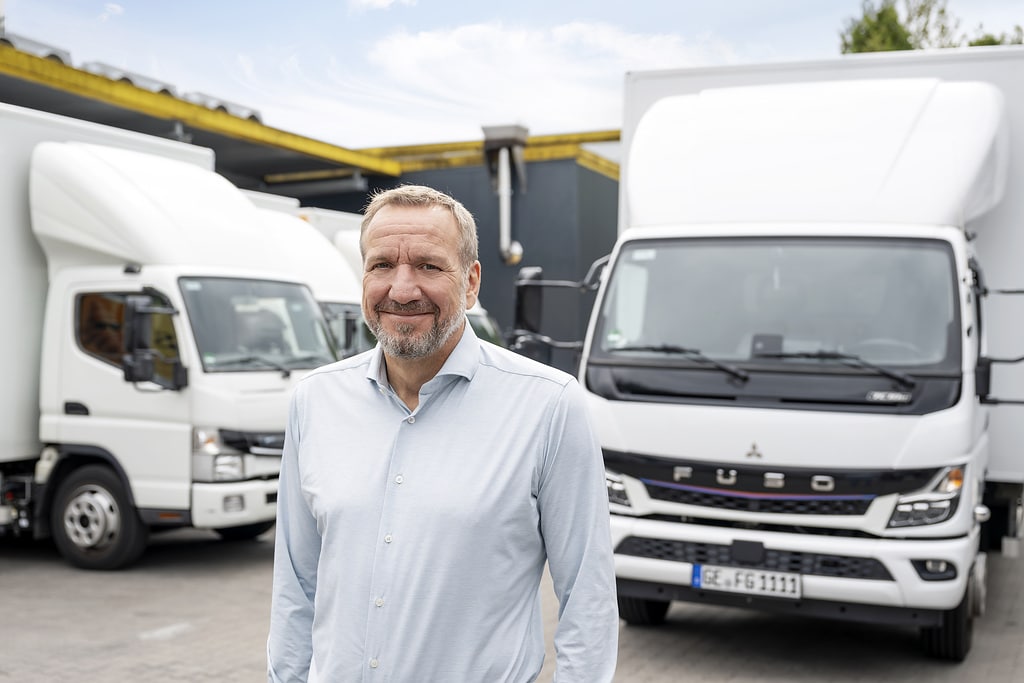
Impressive figures. Nevertheless, Managing Director Christian Zipper emphasises: “We, i.e. the Zipper bakery and the Gatenbröcker city bakery, are a craftsmanship company with equally high quality standards. This is also important to our customers.” Anyone visiting the central production facility at the Weststraße site in Gelsenkirchen not only receives an incredibly delicious scent, but can also see: This is where people come in. Of course with mechanical support, but always with heart and, most importantly, a lot of attention to detail. Production takes place with almost 100 employees in two shifts, seven days a week and 360 days a year. The Zipper and Gatenbröcker stores are open daily, including on Sundays. This is ensured by the other 500 sales employees.

The trips are precisely timed and the FUSO eCanter must “deliver”

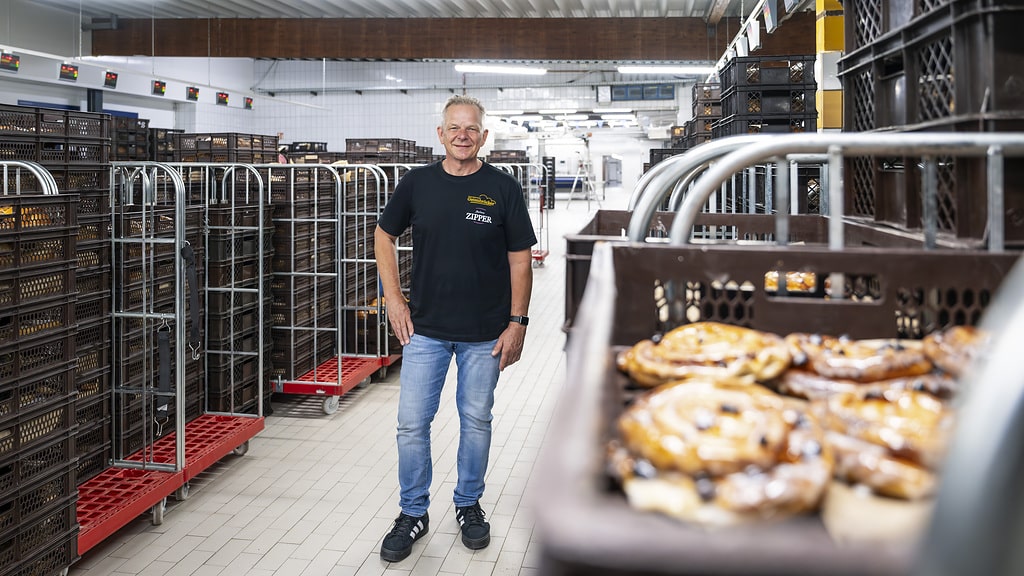
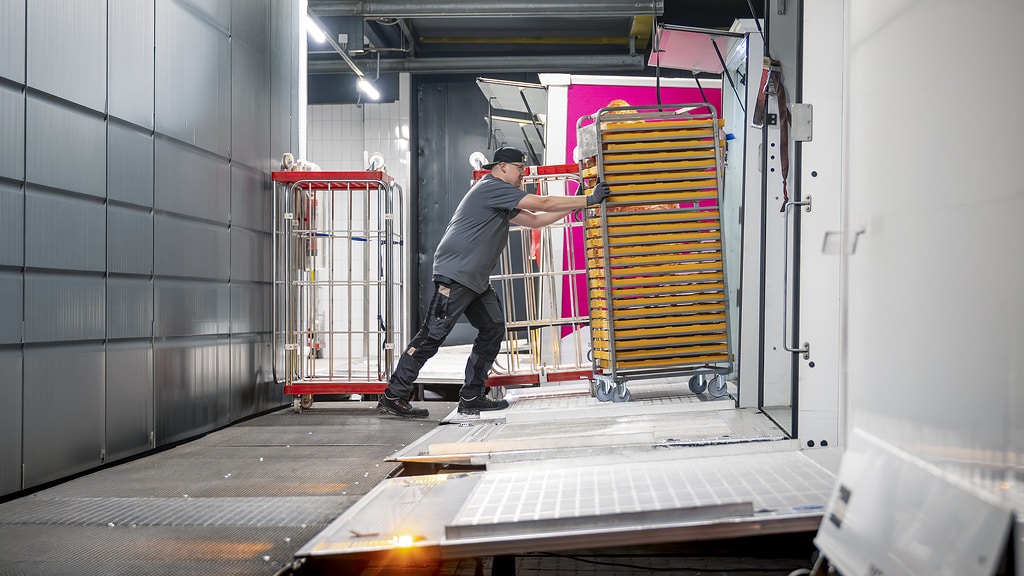
It is clear that the logistics behind it must run smoothly. By midnight at the latest, when hundreds of trolleys with dozens of mesh boxes crowd in the hall for the commission and the packers put together the goods requested by the stores. But first, from one o’clock in the night, the trolleys leave the eleven large cooling chambers. They contain the dough pieces from the bread roll range, which go through a temperature-controlled piece cooker and arrive perfectly matured in the stores for fresh baking. The fleet’s total of nine FUSO eCanter 7C18e are already ready at the ramp. “The entire fleet was pretty old and I was wondering if I would replace it completely, why not switch to electric trucks right away,” says Christian Zipper.

He founded his company in 1995 as a young master baker and ran it with twelve branches until a few years ago. But the sudden death of the owner of the city bakery Gatenbröcker created a new starting point. “I decided to cooperate because I think healthy growth is the right way into the future,” recalls the 56-year-old, “but it eventually turned into a merger and now my team and I continue to run both brands.” Bringing the operations together efficiently and modernising the acquired infrastructure in a future-proof way has been his challenge over the past two and a half years.
I decided to cooperate because I think healthy growth is the right way into the future, but it eventually turned into a merger and now my team and I continue to run both brands.
Christian Zipper, Managing Director of Bakery Zipper and Gatenbröcker

The FUSO eCanter of both generations perfectly match the requirements

“The majority of our stores are located directly in residential areas. That’s why I was looking for vehicles that were as quiet and compact as possible,” says Christian Zipper, describing his requirements and admitting: “The FUSO brand was completely unfamiliar to me until then.” Research on the Internet changed this and so the entrepreneur found himself at the Daimler Truck branch in Dortmund one and a half years ago. “There, I received an extremely attractive offer for the immediately available 7.5-tonne eCanter. But still the first generation with a range of only 100 kilometres.” A single test vehicle should show whether the deal is a good one.

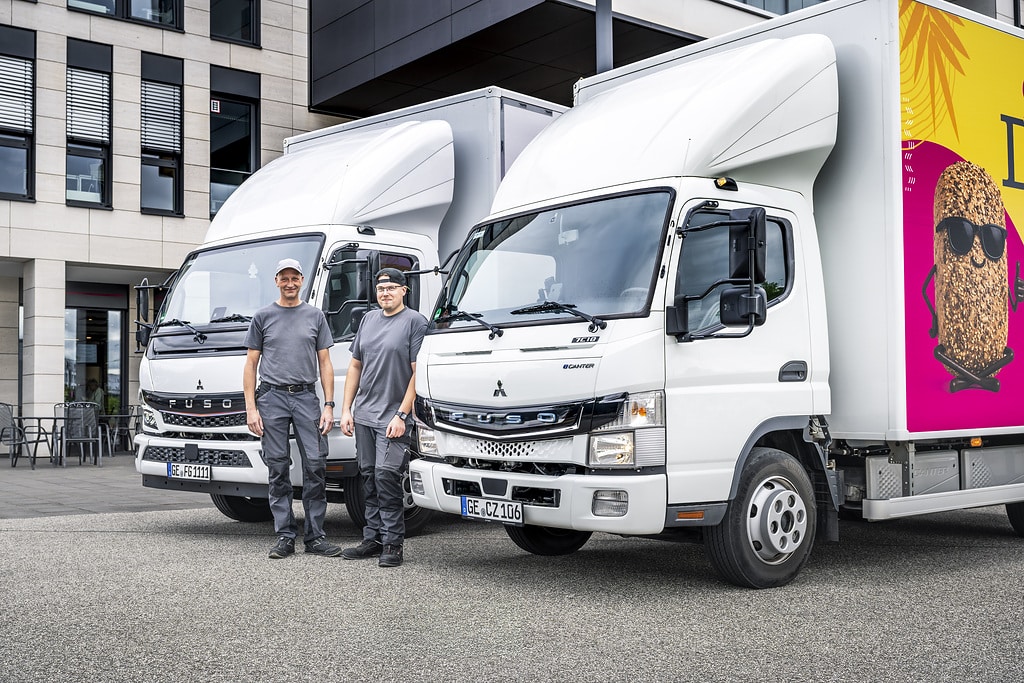
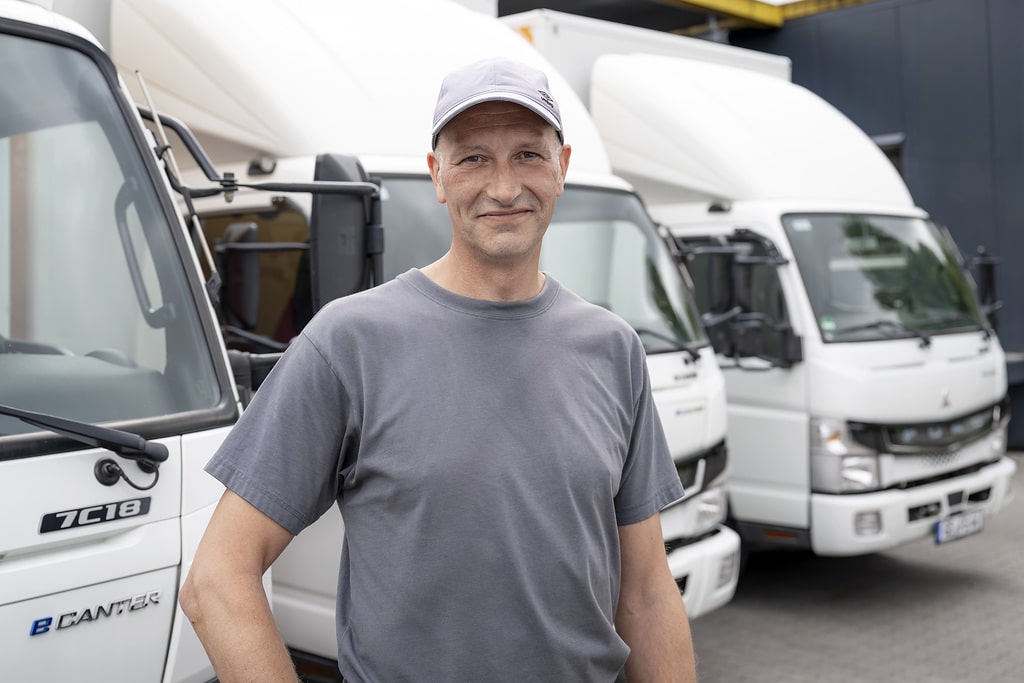
“Since our daily tours mainly take place within a radius of around twenty kilometres around production, this worked out right away with the eCanter,” says fleet manager Enrico Junghanns. “We didn’t have to make any adjustments, except that the morning after delivery, we were just hanging the fleet on the AC sockets where they would charge until the next night.” The biggest changeover meant the eCanters, which gradually replaced the diesels, for the drivers. But scepticism and here and there rejection quickly turned into goodwill.

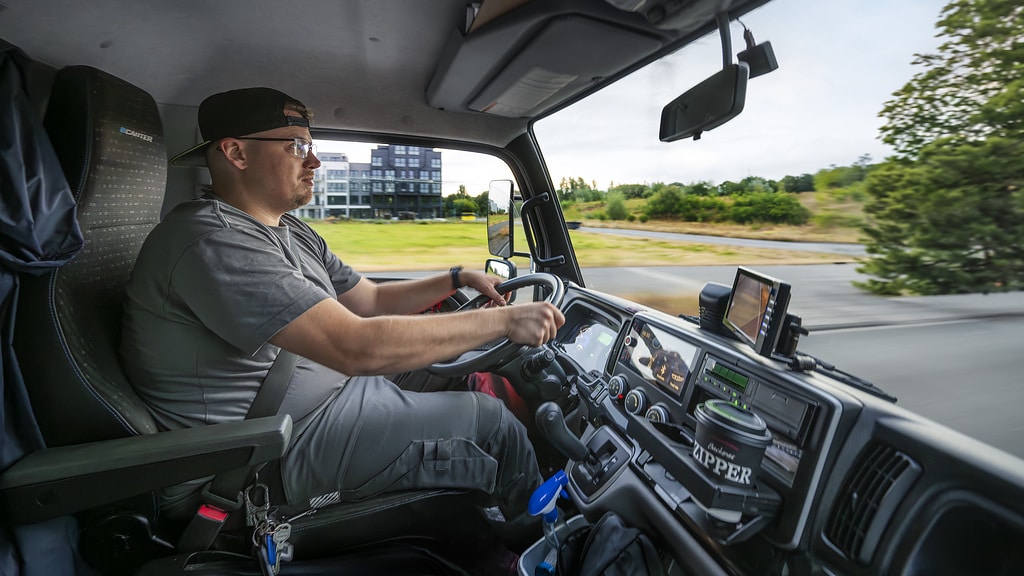
Driver Max Wilde knows exactly why this is the case. “That’s fun with it. It drives like a go-kart and leaves quickly,” says the 32-year-old with a smile as he rolls the twelve cars into his suitcase for his first lap. Enrico Junghanns, who also drives himself in addition to the fleet manager, adds: “The eCanter is a bit tighter on the road, which you have to take into account in your driving style, of course, due to the sensitive goods. But otherwise it really won us over in the long term.” In fact, in addition to the first seven smaller vehicles, two more new Next Generation eCanters are already part of the fleet. With the size L battery pack with three batteries and thus a range of 200 kilometres as well as larger suitcases with space for 17 trolleys, they are destined for further routes that have arisen in the meantime.

More investments in sustainability have already been decided

Next, Christian Zipper plans to install a large PV system on the roof of the production building next year, because in the long term he wants to operate the eCanter with his own green electricity. “As an energy-intensive operation with our furnaces, we do have a good electricity tariff, which also benefits us when charging the e-trucks, but it is of course not really sustainable yet,” he explains. He closely monitors the current developments in diesel prices in his calculations. “I think we have done everything right in this regard with the switch.”

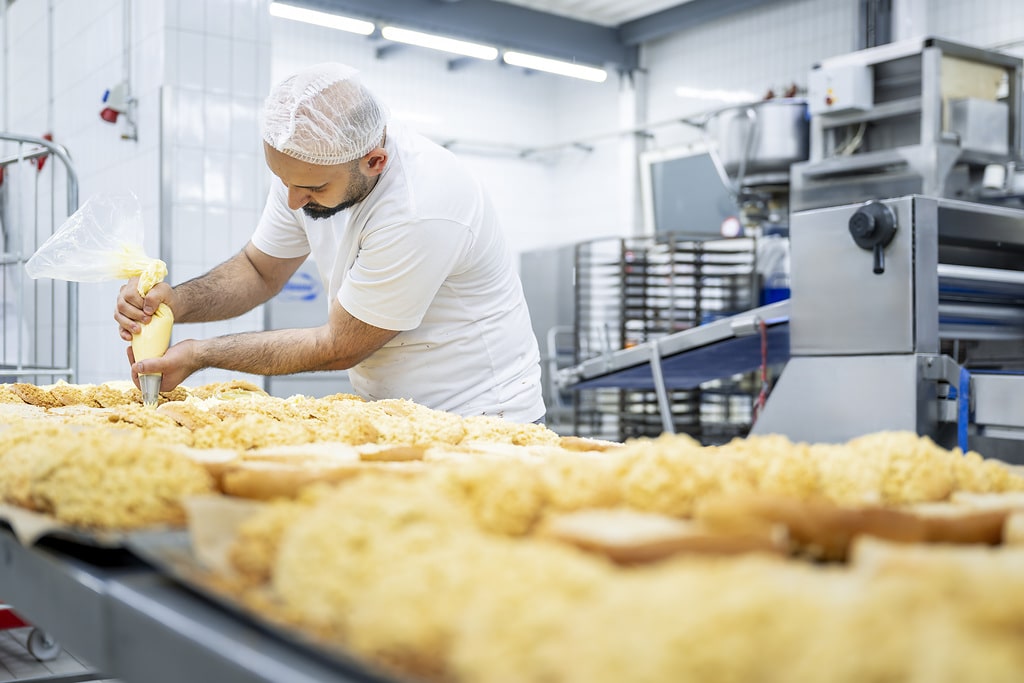
While Max Wilde and his colleagues are making the first deliveries, production is literally still going hot. The ovens are full of delicacies such as the “lucky bread”, a strong dark one, decorated with mallets and irons, the miners’ tools. Of course, Zipper and Gatenbröcker are not only connected to the tradition of Ruhrpott, but also to FC Schalke 04 fans. As the large banner and the blue banner garland reveal, which decorate the production. Meanwhile, at one of the work stations, hazelnut paws run through the sugar casting, before being manually given a half-sided immersion bath in liquid chocolate and decoration made from chopped, roasted hazelnuts. At another table, dozens of halved sprinkles are ready for the confectioner, who uses the piping bag to make sprinkles filled piece by piece. In total, there are around 450 different products that the employees of the early and late shifts produce every day.

Production Manager Michael Lobe has a few key figures ready: “We process almost 2,000 tonnes of wheat flour per year, one tonne of fresh baking yeast per week, five tonnes of sugar and ten tonnes of dairy products such as eggs, quark, cream and cheese per month. To name just a few of the many raw materials.” The trained master baker has been working at the city bakery in Gatenbröcker for 31 years. As he walks through production and explains the processes, it quickly becomes clear that he is one hundred percent behind the merger of the companies and the new boss’s leadership style and sustainability ambition. The switch to electric mobility is just one of many aspects.